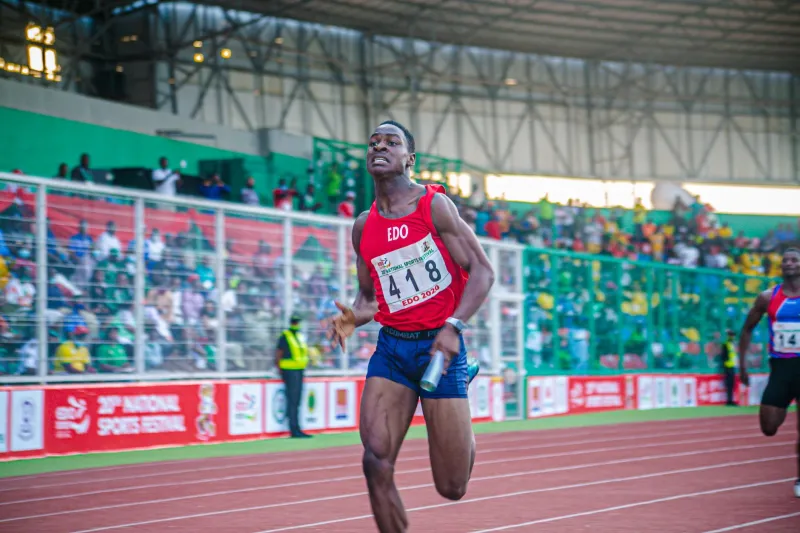
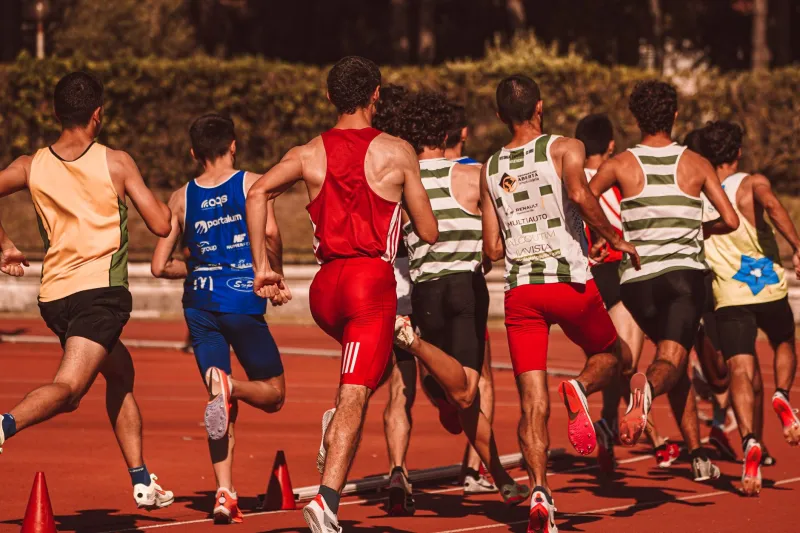
From Solo to Squad: Your Real-World Roadmap to Breaking Into Modesto's Relay Scene

There's a moment every solo runner eventually hits. You've logged your miles, hit your PRs, maybe even run a race or two on your own — and still, something feels like it's missing. If you've ever watched a relay team cross a finish line together, arms raised, voices loud, you probably already know what that something is.
Relay racing isn't just a different format. It's a different way of experiencing the sport entirely. And here in Modesto, the relay community is thriving — but if you're coming in from the outside, knowing how to plug in can take a little navigation.
This is your honest, practical guide to doing exactly that.
Know What You're Getting Into First
Before you reach out to a single coach or show up to a single practice, take a beat to understand what relay teams actually need from their athletes. It's not just about being fast. Coaches and captains around Modesto are consistent on this point.
"Speed matters, but it's not the first thing I look at when someone new wants to join," says Marcus T., who captains a club relay squad that competes at regional meets throughout California. "I want to know if they're coachable, if they show up consistently, and if they can handle running for someone other than themselves. That last part trips a lot of solo runners up."
That's a theme you'll hear repeatedly in the Modesto relay world. The transition from individual racing to team competition requires a genuine mental adjustment — one that the best relay programs actively coach for. If you're walking in expecting to just run your leg and bounce, you're probably not going to last long on a competitive squad.
Come ready to be part of something, not just a contributor to it.
Where to Actually Find Teams in Modesto
Okay, so you're sold on the concept. Now where do you go?
The most direct path is through local track clubs and running groups that have established relay programs. Several clubs in the Modesto area field relay teams that compete at events including the Modesto Relays, regional invitationals, and USATF-sanctioned meets. Start by searching for clubs affiliated with USA Track & Field's Pacific Association — many of them maintain active rosters and are regularly looking for new athletes.
Beyond formal clubs, community running groups are a surprisingly effective entry point. Groups that meet at local parks, high school tracks, and along the Tuolumne River trail are often connected to the wider competitive community. Show up, run well, be easy to work with, and word gets around faster than you'd think.
Social media is also genuinely useful here. Local running Facebook groups and Instagram accounts for Modesto-area athletics often post about open tryouts, team formation calls, and training meetups. Follow the Modesto Relays social channels and engage with the community — you'll quickly start seeing who's who and where teams are forming.
"We found two of our best runners through Instagram," admits Priya S., who helps organize a mixed relay team that formed three years ago. "They commented on a post we made about training, we started a conversation, and they came out to practice the next week. That's genuinely how it happens sometimes."
What Coaches and Captains Are Actually Looking For
Let's talk about the audition process, because yes — there usually is one, even if it's informal.
When you reach out to a team, expect that you'll be invited to a practice or a time trial before any serious conversation about roster spots happens. This isn't about gatekeeping. It's about fit — athletic fit, personality fit, and schedule fit.
On the athletic side, coaches want to see your base fitness and your coachability. Can you take feedback on your form mid-workout and actually adjust? Do you push through when it's uncomfortable, or do you back off? These things show up quickly in a group training environment.
Personality fit matters just as much. Relay teams spend a lot of time together — traveling to meets, warming up, cooling down, debriefing races. If you're difficult to be around or you make every conversation about your individual performance, you're going to create friction that no amount of speed can offset.
Schedule fit is the practical piece that often gets overlooked. Most competitive relay squads in Modesto practice multiple times per week and expect athletes to be present for key workouts and races. If you can only make it once a week or you're going to miss half the season, be upfront about that early. Coaches respect honesty far more than excuses after the fact.
The Realistic Timeline for New Relay Athletes
Here's something nobody tells solo runners who want to make the jump: it takes time to earn a race-day spot, and that's completely normal.
Most established relay teams will bring new athletes in as practice squad members or alternates before slotting them into a competition lineup. This isn't a slight — it's how teams protect race-day chemistry they've built over months or years. Expect to spend four to eight weeks proving yourself in training before you're seriously considered for a competitive leg.
Use that window well. Learn the team's handoff system. Study how they approach race strategy. Build genuine relationships with your teammates — not just the captain or coach, but everyone. The runners who earn spots fastest are almost always the ones who integrate into the culture, not just the workout schedule.
"I tell every new athlete the same thing," says Marcus. "Your first month isn't about impressing me. It's about showing the team that you're someone they want to run with. The times will take care of themselves if you do that part right."
Building Your Own Squad If You Can't Find One
What if you've done the research and there just isn't a team that fits your event, your schedule, or your competitive level? Build one.
It sounds daunting, but plenty of Modesto's current relay teams started as a handful of runners who liked each other and decided to see what they could do together. You don't need a formal club structure, a coach, or matching uniforms to start competing. You need three other committed athletes and an entry form.
Start by recruiting from your existing running community — training partners, people from group runs, former high school or college teammates who've stayed in the area. Post in local running groups with a specific ask: you're forming a relay team, here's the event you're targeting, here's what you're looking for.
Once you've got your four, find a local coach or experienced relay athlete willing to consult with you on training and handoffs. Even a few sessions with someone who's been through it can shortcut months of trial and error.
Then register for a local meet and go run. The relay community in Modesto is welcoming, and showing up ready to compete — even imperfectly — is how you start building the kind of team story that lasts.
The First Step Is the Hardest
Relay racing rewards the people who commit to it fully. It asks you to care about something beyond your own finish time, to show up even when your legs are tired, and to trust that the person taking the baton from you is going to do their part.
In return, it gives you something solo running almost never can: a team that runs your race with you, every single time.
Modesto's relay community is out there, and it's ready for new faces. You just have to take the first step and show up.