Roster Built to Last: How Modesto Relay Programs Turn Recruits Into Lifers
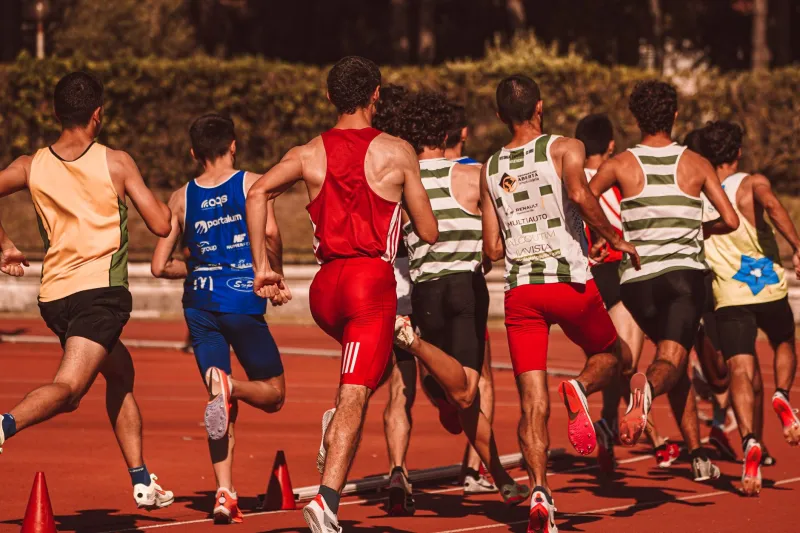
Ask any relay coach in Modesto what keeps them up at night, and chances are it's not the competition on race day. It's the offseason — the quiet stretch when athletes drift, commitments blur, and rosters that looked rock-solid in April start showing cracks by October. Recruiting is hard. Retention is harder. But a handful of relay programs in the Central Valley have figured out something that individual-sport coaches are still scratching their heads over: when you build the right culture, athletes don't just stay. They recruit for you.
Why Relay Teams Have a Built-In Advantage
Let's be honest — running is a lonely sport at its core. Solo training, solo goals, solo glory. Most individual track athletes spend years chasing times that only they truly care about. Relay racing flips that entirely. Every split matters to four people. Every handoff is a shared moment of trust. And when a team runs a personal best as a unit, the celebration hits different than anything you'd feel crossing a finish line alone.
That emotional hook is the first thing coaches here lean into when they're recruiting. "The pitch isn't complicated," says one Modesto-area relay coach who's been building rosters for over a decade. "I tell kids: you can go run your 400 by yourself and shave a tenth of a second, or you can run it as part of something that four people built together. The second one is just more fun. And more fun means they come back."
That sense of shared purpose is a genuine competitive advantage in the recruiting market — especially when you're going up against well-funded club programs that can offer fancier facilities and bigger name recognition.
The Recruitment Strategy That Actually Works
Modesto relay clubs aren't pulling from a limitless talent pool. This isn't a major metro with a dozen elite high school programs feeding into a deep bench. Coaches here have to be creative, and the ones who've built sustainable rosters tend to follow a similar playbook.
First, they show up early. Many successful relay programs in the area have established informal pipelines with local middle schools and high school track programs — not poaching athletes, but making sure young runners know relay racing exists as a serious option. Community visibility matters. When a relay team shows up at a local 5K, volunteers at a youth track clinic, or posts consistent race results on social media, it plants a seed.
Second, they recruit character before they recruit speed. This is something coaches here say over and over. A 48-second quarter-miler who's unreliable at practice is a liability in relay racing — one missed handoff drill can unravel months of preparation. "I'd rather have four 51-second runners who trust each other completely than mix in someone faster who doesn't buy into the team concept," explains one coach who runs a competitive club program on the east side of town. "Speed is trainable. Commitment is a personality trait."
Third — and this one is underrated — they make the ask personal. Generic social media posts don't build rosters. What works is a coach or a current team member reaching out directly to an athlete they've watched compete, explaining specifically why they'd fit the program. Athletes respond to being seen as individuals, even within a team context.
Culture Is the Retention Strategy
Getting an athlete to show up for the first practice is the easy part. Getting them to come back for year three is where relay programs either prove themselves or fall apart.
The clubs in Modesto that consistently field stable rosters share a few cultural habits. They eat together — not just the nutrition-strategy stuff (though that matters), but actual team meals, cookouts, post-race dinners. They celebrate non-race milestones: a teammate hitting a training PR, someone graduating, a runner coming back from injury. They create inside jokes and traditions that make the program feel like a crew rather than a roster.
"We have this thing where the newest person on the team picks the warm-up playlist for the first three weeks," says one athlete who's been with the same Modesto relay club for four years. "It sounds dumb, but it's a real thing. People remember it. It makes you feel like you matter to the team immediately."
Small rituals like that do something important: they signal to new athletes that this program has a personality, a history, and a future. That's hard to walk away from.
Stability as a Competitive Edge
Here's the part that doesn't get talked about enough in relay circles — roster stability is a performance advantage, not just a feel-good outcome. Teams that keep the same four runners together across multiple seasons develop a kind of handoff intuition that simply can't be manufactured in a few weeks of pre-meet practice.
When runners know each other's tendencies — how a teammate's stride opens up at the 200-meter mark, how they like to receive the baton on the outside of their hand, how they respond under pressure — they stop thinking and start reacting. That split-second of hesitation that kills handoffs in less cohesive teams? It disappears.
Modesto relay programs that have invested in retention have the results to back it up. Consistent rosters trend toward consistent times. And consistent times attract better competition, which attracts better recruits. It's a flywheel that starts with culture and ends with wins.
What Athletes Say They're Really Looking For
Talk to relay athletes across the Modesto area and a theme emerges quickly: they're not just looking for a team. They're looking for accountability without judgment, competition without ego, and a place where their effort genuinely affects someone else's outcome.
That's a pretty compelling sales pitch for any coach trying to fill out a roster. The programs that have figured out how to deliver on all three of those things — consistently, season after season — aren't struggling to recruit. They're turning people away.
In a sports landscape where athlete loyalty is increasingly rare and roster turnover is the norm, Modesto's strongest relay clubs are proof that the team model, done right, creates something that individual sports simply can't match: athletes who want to stay.