Stronger in Numbers: The Real Science Behind Why Relay Teams Outperform Solo Runners
Ask any relay runner what it felt like to hand off a baton with their team trailing by a step—and then watch the anchor bring it home—and you'll get a response that's hard to put into words. Something about accountability. Something about not wanting to be the reason it fell apart. Something that pushed them harder than they ever would've gone alone.
That feeling isn't just a motivational poster. It has a scientific name, measurable physiological effects, and real implications for how athletes train, compete, and stick with a sport over time. And in Modesto's relay community, we see it play out every single season.
The Köhler Effect: When Being on a Team Makes You Try Harder
Back in the 1920s, a German psychologist named Otto Köhler noticed something strange: people working in groups consistently outperformed what their individual ability would predict—especially when they were the weakest member of the group. The effect was strongest when the gap between the strongest and weakest member was moderate, not extreme.
Researchers have replicated this finding in athletic contexts for decades. A landmark study by Feltz, Kerr, and Irwin published in the Journal of Sport and Exercise Psychology found that cyclists paired with a stronger virtual partner rode significantly longer than when they competed alone. The explanation? When your performance directly affects someone else's outcome, you're motivated by more than personal achievement. You're motivated by not letting them down.
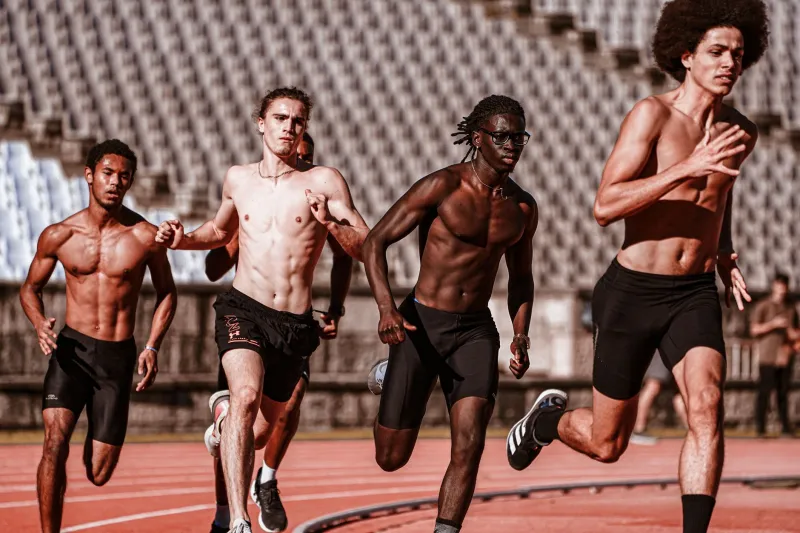
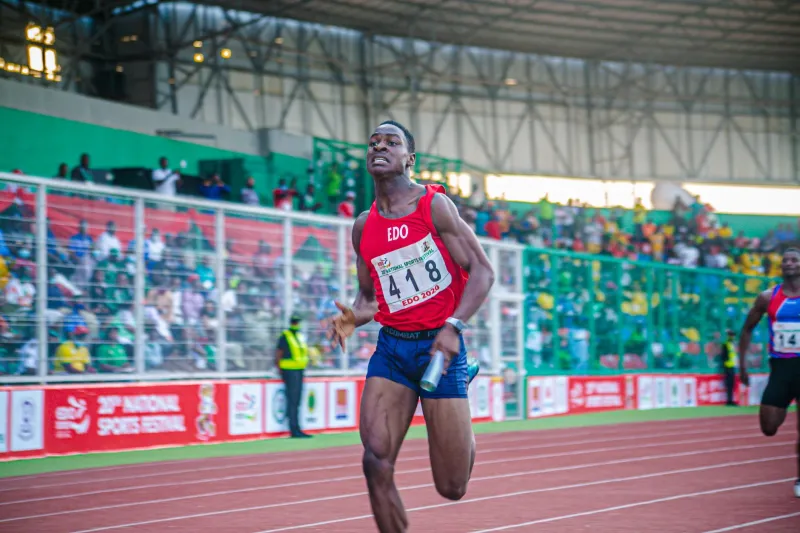
In relay racing, that dynamic is built into the structure of the event. Every leg matters. Every handoff carries consequence. The Köhler effect isn't something relay coaches have to manufacture—it's baked in.
Shared Accountability Changes How Athletes Train
The difference between relay athletes and solo runners often shows up before race day—in how they approach training.
Solo distance runners are accountable to themselves, their coaches, and maybe a training log. That's a real form of accountability, but it's also easy to negotiate with when you're tired, sore, or just not feeling it. Skipping a Tuesday interval session is a private decision with private consequences.
For relay runners, it's different. Missing practice means your teammates ran the exchange zone drills without you. It means the handoff timing is off. It means someone else had to cover for your absence in a way that affected their preparation too.
"I've coached both individual and relay athletes," says one Central Valley track coach who's been working with Modesto-area programs for over a decade. "The relay kids show up differently. Not just more often—they show up more focused. There's a reason to be there that goes beyond personal performance."
This isn't anecdotal. Research on team sports consistently shows that group training environments produce higher adherence rates than individual training programs. One review in the International Journal of Sport and Exercise Psychology found that athletes in team settings were significantly less likely to drop out of competitive programs compared to individual sport participants at the same age and experience level.
Intrinsic Motivation and the Identity Shift
Sports psychologists distinguish between extrinsic motivation—doing something for external rewards like trophies, rankings, or recognition—and intrinsic motivation, which comes from the activity itself and the meaning attached to it. Intrinsic motivation is more durable. It's what keeps athletes competing through adversity, through losing seasons, through the grind of peak training.
Relay teams are unusually good at generating intrinsic motivation because they give athletes something individual racing often can't: identity through belonging. Being a member of a relay squad is a specific, meaningful role. You're not just a runner. You're the anchor. You're the one who runs the curve. You're the person your team trusts with the second leg.
That sense of defined purpose within a group structure is one of the most reliable drivers of intrinsic motivation in sport psychology research. And it shows up in retention numbers.
Modesto Relays has tracked participation trends across its affiliated programs for several years. What emerges is a consistent pattern: athletes who join relay-specific training groups return at higher rates season over season compared to athletes participating in open track programs without a relay focus. While individual program structures vary, the directional trend is clear—relay culture keeps people coming back.
The Physiological Piece: Why Competition Format Matters
Beyond psychology, there are physiological reasons relay runners may develop differently than solo competitors.
Relay events require athletes to be explosive across a defined distance and then recover—sometimes for minutes, sometimes for hours—before their next leg. This intermittent high-intensity structure, when trained properly, builds a specific kind of aerobic-anaerobic capacity that pure distance runners and pure sprinters don't always develop.
Additionally, the social facilitation effect—a well-documented phenomenon in which people perform better on practiced tasks when observed by others—is essentially always activated for relay runners. You are constantly performing in front of your teammates, your competitors, and your coaching staff. That consistent social pressure, when managed well, raises the performance ceiling for athletes who might plateau in a more isolated training environment.
"My relay runners run faster in practice when the whole team is watching," says a Modesto-based sprint coach who trains athletes ranging from middle school through post-collegiate levels. "That's not a coincidence. That's social facilitation doing exactly what the research says it does."
What Modesto's Relay Culture Gets Right
None of this happens automatically just because you put four runners on a relay team. The science works when the culture supports it.
What Modesto's relay community has built—through years of investing in team-based training, community events, and shared competitive goals—is an environment where the psychological and physiological advantages of relay competition can actually take root.
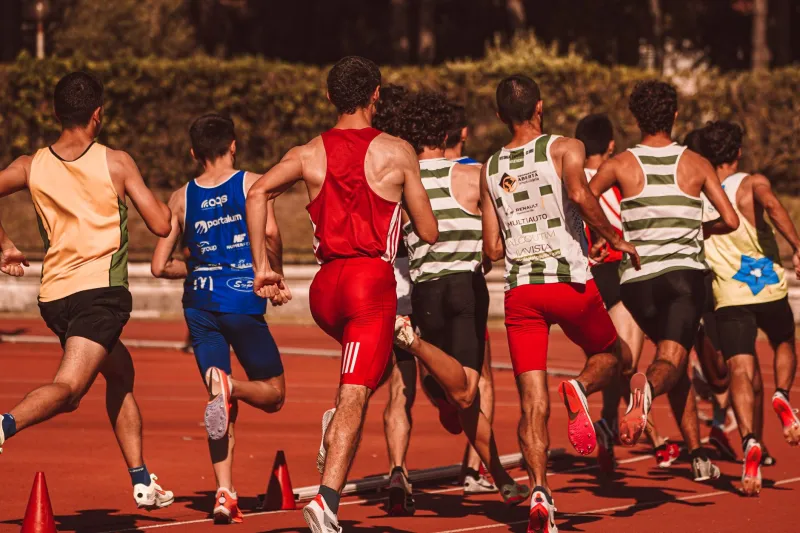
Athletes here aren't just assigned to relay squads. They train together across multiple sessions per week. They learn each other's stride patterns, pacing tendencies, and mental rhythms. They develop the kind of trust that makes the Köhler effect kick in naturally, because the accountability is real and the relationships are real.
The result is athletes who don't just run faster in races—they train harder, stay healthier longer, and stick with the sport through the phases of life when individual sport athletes often drift away.
Why It Matters Beyond the Track
The science of collective motivation isn't just useful for winning relay meets. The habits that relay culture builds—showing up for others, embracing a defined role within a larger system, finding meaning in shared goals—translate directly into how athletes function in school, in workplaces, and in communities.
That's a big part of what we're doing here in Modesto. The relay is the vehicle. The lessons are bigger than the race.
Run together. Compete together. Win together. Turns out, that's not just a motto—it's a performance strategy.