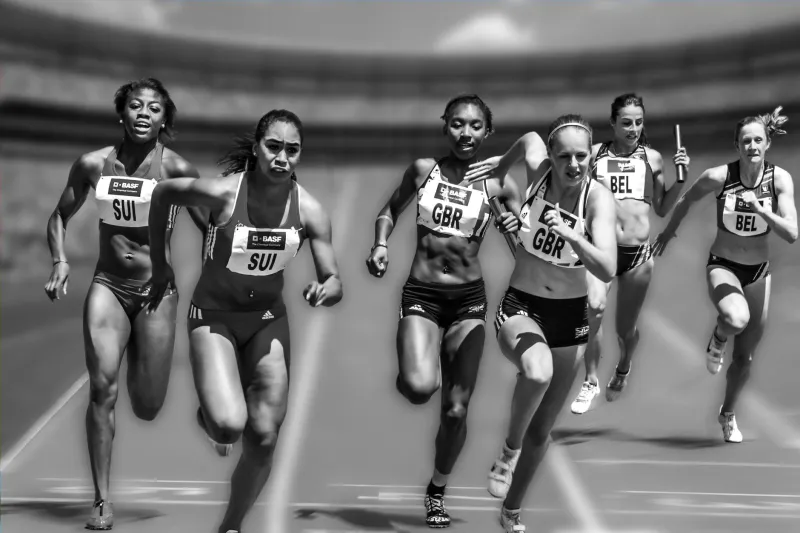
Speed Doesn't Lie, But It Doesn't Tell the Whole Truth Either
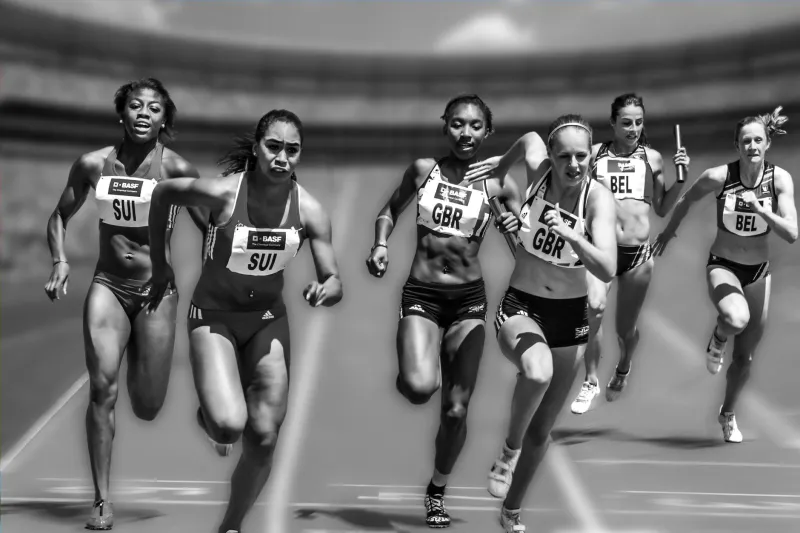
Every coach has been there. You've got four runners with the best individual times in your program. You pencil them in, hand them the baton order, and figure the math does the rest. Then some scrappy crew from across town—a group nobody's really talking about—runs a faster combined split and beats you by two seconds.
If that scenario sounds familiar, you're not alone. It's one of the most humbling lessons in relay racing, and it plays out in Modesto competitions more often than coaches like to admit.
Raw speed is real. It matters. But relay racing has a way of exposing everything that speed rankings quietly ignore.
The Myth of the PR Stack
Here's how the thinking usually goes: add up your four runners' personal records, compare that number to the other team's, and whoever has the lower total should win. Clean, logical, satisfying.
Except relays aren't run in a vacuum. They're run in sequence, under pressure, with a baton changing hands in a 20-meter exchange zone where a tenth of a second can evaporate in a fumbled grip. The individual PR tells you what a runner can do alone, on a good day, in ideal conditions. It says almost nothing about what they'll do on leg three when they're receiving a baton on a tight curve from a teammate who's running half a step off their usual rhythm.
The relay environment introduces variables that solo time trials simply don't account for. And those variables compound across four legs.
Leg Fit Is Everything
One of the most underappreciated concepts in relay strategy is leg-specific suitability. Not every fast runner is fast in the same way, and those differences matter enormously depending on where you slot them.
Take the leadoff leg. That runner sets the tone, establishes positioning in the pack, and needs to be someone who runs well from a standing start and handles early-race traffic without panicking. Some of your fastest athletes are pure momentum runners—they take a while to hit their stride and absolutely fly at the back end of a race. Sticking that kind of runner on leg one is like drafting a highway driver for a parking lot.
The second and third legs are often curve-heavy depending on the track layout, which means runners who are efficient through turns—who don't lose form or slow their cadence when the road bends—have a genuine structural advantage over someone who's technically faster on the straightaway.
The anchor leg gets the most attention, and yeah, you usually want someone with serious closing speed there. But the anchor also needs to handle pressure, run clean when the outcome is on the line, and ideally receive the baton with enough runway to make something happen. Putting your mentally strongest competitor on the anchor sometimes matters more than putting your statistically fastest one there.
What Modesto Competitions Have Actually Shown Us
Over the past few seasons, we've watched some genuinely surprising lineup decisions pay off at local meets. One team that competed in a spring relay event here in Modesto restructured their 4x400 after a mid-season conversation between their coach and their two middle-leg runners. Those two athletes weren't the fastest on paper—not by a noticeable margin—but they were both exceptional at maintaining pace through contact and crowded exchanges. The coach moved them into the second and third slots, built the lineup around their consistency rather than raw speed, and the team dropped nearly three seconds off their season-best time.
Three seconds in a relay is an eternity.
Another team flipped their anchor and leadoff runners after noticing that their traditional anchor was slow out of the blocks but nearly unbeatable in the final 100 meters of any race. They moved him to the third leg where he could receive momentum from a strong second leg and transfer it cleanly. Their new anchor—technically the fourth-fastest runner on the squad—was ice-cold under pressure and had the fastest exchange efficiency of anyone on the team. They won the event.
These aren't flukes. They're the result of coaches looking past the stopwatch and asking better questions.
Pacing Strategy as a Competitive Weapon
Another piece of the puzzle that gets buried under the speed conversation is pacing intelligence. A runner who goes out too hot on leg one doesn't just hurt their own split—they create a situation where the second-leg runner receives the baton from someone who's already gassed, which can affect the feel and timing of the handoff, throw off rhythm, and psychologically deflate the team before they're even halfway done.
The best relay runners aren't always the ones who run the fastest individual splits. They're the ones who run exactly as fast as the team needs them to run, at exactly the right moment. That's a different skill set. It requires self-awareness, trust in teammates, and the ability to resist the instinct to race your own race when you're supposed to be running the team's race.
Coaches who train their athletes to think in terms of controlled aggression—pushing hard but within a strategic framework—tend to build more consistent relay performers than coaches who just reward whoever posts the fastest practice times.
How to Actually Build Your Lineup
So if you're a coach or a team captain trying to put together a relay squad that can compete, here's a more useful framework than just ranking by PR:
Audit each runner's strengths in context. Who starts fast? Who finishes fast? Who runs clean curves? Who keeps their head when the race gets messy?
Map those strengths to specific legs. Don't default to putting your best runner last just because that's tradition. Match the runner to the leg that plays to their specific abilities.
Evaluate exchange reliability. A runner who gains a half-second on their split but fumbles or bobbles the baton handoff has cost the team more than they contributed. Prioritize athletes who execute clean exchanges under fatigue.
Test unconventional lineups in practice. Don't wait for a meet to find out your traditional order isn't working. Simulate race conditions, run timed exchanges, and actually compare results across different configurations.
Factor in mental makeup. Some runners rise under pressure. Others tighten. Know which is which and build your lineup accordingly.
The Bottom Line
Relay racing rewards teams that understand themselves better than they understand the other team. Your competitors' PRs don't matter as much as your own lineup's cohesion, strategic fit, and collective intelligence.
The fastest four runners don't always make the fastest team. But the right four runners, in the right order, running the right race—that combination is genuinely hard to beat.
At Modesto Relays, we've seen it happen. We'll keep seeing it happen. And the coaches who figure this out are the ones who keep showing up in the results column when it counts.